Fortifying the Harvest: Smart Farm Storage Solutions for Emergency Readiness
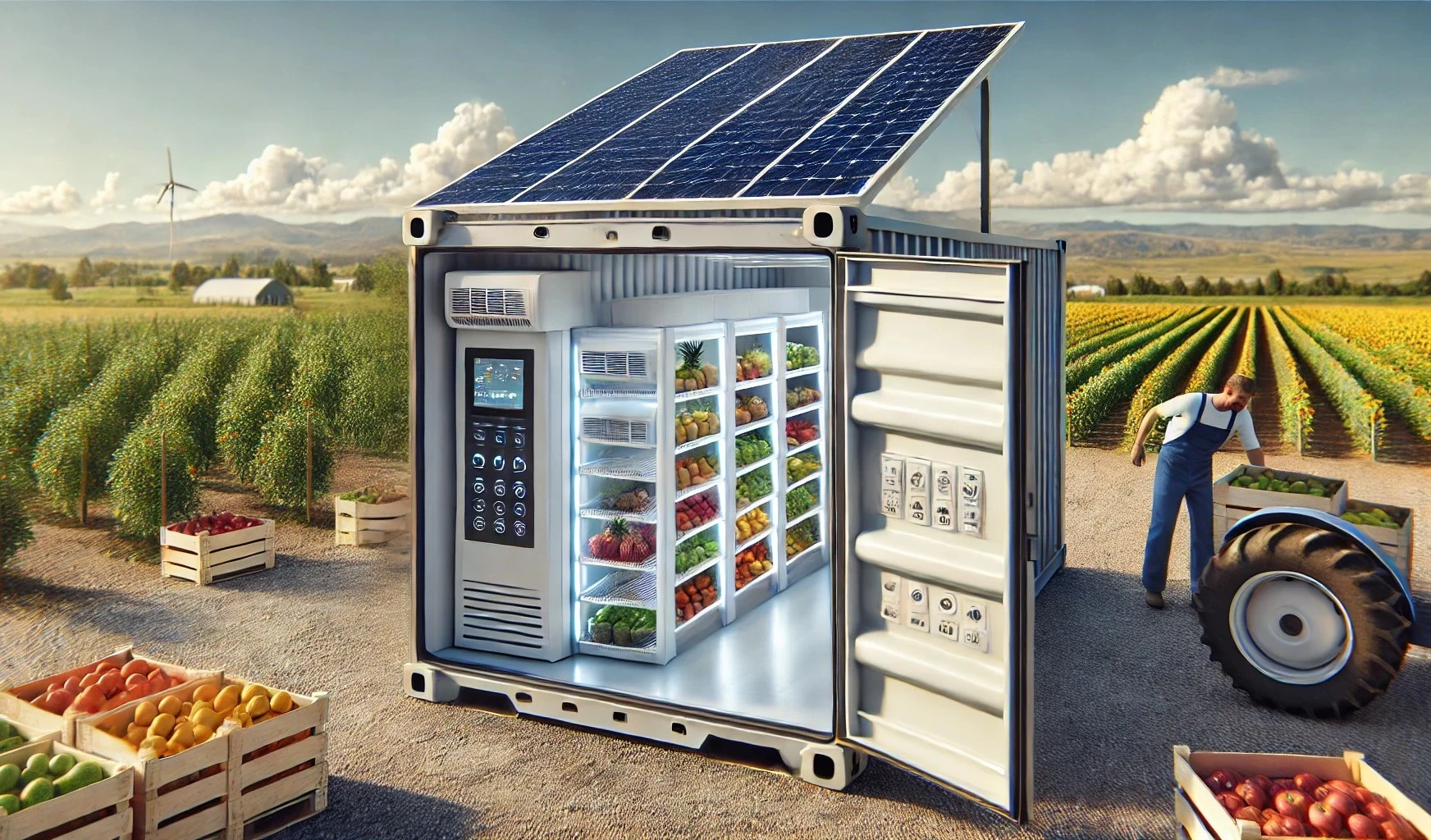
In the face of volatile global markets, unpredictable weather patterns, and escalating climate change risks, the modern farm operates under a constant state of uncertainty. For farmers, the harvested crop is the culmination of a year’s worth of labor, investment, and hope. Protecting that asset from loss—whether due to pests, spoilage, or market instability—is paramount. Today, this essential protection is being revolutionized by smart farm storage solutions. These are not just bigger bins and silos; they are technologically integrated systems that use sensors, automation, and data analytics to monitor, maintain, and secure the stored harvest, turning static storage units into dynamic centers for emergency readiness and long-term asset management.
Augason Farms Food Storage – Emergency Preparedness is about moving beyond guesswork and reactive measures. It transforms the grain bin from a simple container into a highly sensitive, proactive instrument. This shift is critical because losses in stored grain can be devastating. Improper moisture levels can lead to mold and mycotoxin growth, rendering the entire batch unfit for sale or consumption. Fluctuating temperatures can invite insect infestation. Modern storage technology provides the farmer with the real-time intelligence needed to prevent these failures, ensuring that the harvest remains safe and retains its maximum market value until the optimal time for sale.
Structural Integrity and Security
Smart technology extends beyond the grain itself to monitor the physical structure and security of the storage unit. This is vital for protecting the asset from external threats and structural failures.
Level and Inventory Monitoring systems use ultrasonic or laser sensors to measure the exact amount of grain in the bin. This provides accurate inventory management, which is essential for insurance claims and market planning. More advanced systems also integrate structural health monitoring. Pressure sensors can detect subtle shifts or imbalances in the grain load that could indicate a structural compromise or a risk of collapse, allowing for preemptive emptying or repair.
From a security standpoint, integrated systems use cameras, motion detectors, and door sensors connected to the farm’s central network. This provides an instant alert for unauthorized access, securing the high-value commodity against theft or sabotage—an increasingly important factor for high-capacity farms.
Longevity and Market Flexibility
The ultimate strategic benefit of smart storage is not just emergency readiness but the extended market flexibility it provides. By precisely controlling the environmental conditions, farmers can safely store their harvest for much longer periods without degradation.
This ability to store grain safely for six, nine, or even twelve months allows the farmer to wait for the most favorable market prices. Instead of being forced to sell immediately after harvest when prices are typically lowest due to high supply, the farmer can hold the commodity until demand and prices increase. The investment in smart storage technology thus becomes a tool for market speculation and maximizing revenue, effectively transforming the storage unit into a financial leverage point. The cost of the technology is quickly recovered through reduced spoilage losses and increased selling margins.
Conclusion: The Future of Farm Resilience
Smart farm storage solutions represent a fundamental upgrade to agricultural risk management. They move the practice of post-harvest care from manual estimation to digital precision. By integrating real-time temperature and moisture sensors, automated environmental controls, and sophisticated security features, these systems fortify the harvest against its most insidious enemies—pests, mold, and spoilage. For the modern farmer, this technology is no longer optional; it is an essential investment in operational resilience, ensuring compliance, minimizing loss, and guaranteeing that the full value of a year’s hard work is preserved until the most profitable moment to bring it to market. The well-managed bin is now the smart bin, and it is the key to a future of more secure and sustainable farming.